
How Maintaining Road Markings Helps Reduce Accidents
May 26, 2025
Categories:


When you're behind the wheel, it's the little things that keep you on the right track—literally. The painted lines that guide us every day might not seem like much, but they do a lot of heavy lifting. Think of them as the unsung heroes of the road, quietly shaping safe journeys and preventing chaos (and yes, quite a few fender benders).
At RTA Claims, we’ve seen firsthand what can go wrong when road markings are faded, confusing, or missing altogether. It's more than just an inconvenience—it's a safety risk. Let’s talk about why properly maintained road markings are absolutely essential for keeping everyone safe out there.
You’re cruising along and suddenly—where did the lane go? If you’ve ever driven in bad weather or at night and squinted to make out the lines, you know how nerve-wracking that can be. Road markings aren't just visual cues—they’re critical communication tools between the road and every driver on it.
Clear lines help define lanes, signal turns, guide merges, and highlight crossings. Without them, drivers are left guessing. That guesswork leads to poor decisions, near misses, and sometimes worse. Especially in high-speed or high-traffic areas, poor visibility can escalate from confusing to dangerous in seconds.
And it's not just about drivers. Cyclists, motorcyclists, and pedestrians also rely on those lines. A clearly marked crossing can be the difference between a safe stroll across the street and a close call.
Let’s be honest—most of us don’t notice road markings until they start to fade. But as they wear away, so does clarity. Faint or inconsistent lines blur the rules of the road, making it harder to judge where to be and when to stop.
A lane that suddenly disappears? Confusing. A junction with no visible markings? Even worse. And don’t get us started on roundabouts with patchy guidance (seriously, who’s going where?).
The problem isn’t just inconvenience—it’s that split-second decisions are made based on markings. If they're gone or misleading, accidents become far more likely. We think a little maintenance can go a long way toward preventing the chaos that follows.
Absolutely. Drivers respond to the road environment. Just like a tidy room encourages neatness, well-kept roads influence better driving.
Fresh markings have a subtle but powerful psychological effect. They nudge drivers into staying in lane, respecting pedestrian zones, and slowing down where needed. Even speed roundels (those big white circles with numbers inside) tend to make more of an impact when they’re crisp and clear.
When everything’s visible and consistent, there’s less ambiguity—and that translates to more confident, less erratic driving.
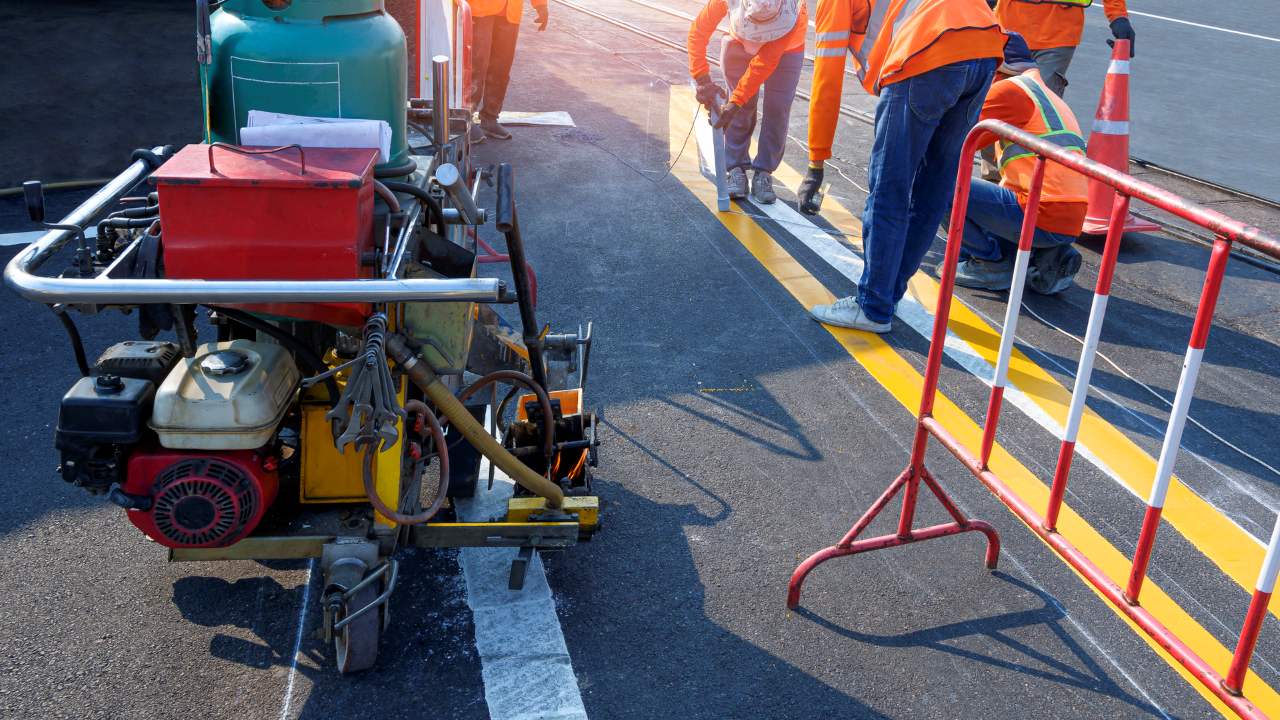
It’s usually a combination of local councils and national highway agencies, depending on the type of road. But here’s the tricky bit: with limited budgets and a lot of tarmac to cover, maintenance can fall through the cracks.
That’s why reporting faded or missing markings matters. Drivers are the eyes on the ground (or on the road, rather). If you notice dangerous wear and tear, speak up. It might seem small, but a quick fix could prevent a serious crash.
And if you're ever involved in an accident due to unclear road markings, know that the crash wasn’t your fault.
Rain, snow, grit, tyres, sunlight—it all adds up. Markings are constantly under attack from the elements and heavy traffic. Even the best paint only lasts so long when lorries are rolling over it 24/7.
In regions where freeze-thaw cycles are common, the problem worsens. Water seeps into tiny cracks, expands when it freezes, and breaks the surface apart bit by bit. Add in the occasional roadworks and things start to look patchy pretty fast.
That’s why regular checks and scheduled repainting are so vital. Maintenance isn’t a one-and-done—it’s an ongoing commitment.
We tend to take road markings for granted—until they let us down. But if we want safer roads and fewer accidents, they can’t be ignored. Fresh, visible, and well-placed lines guide traffic, reduce confusion, and genuinely save lives.
At RTA Claims, we believe in a smarter, safer driving experience. That starts with clear guidance—from road markings and from us when the worst happens. If you've been in a non-fault accident, we’re here to help you get back on track—literally and figuratively.


